
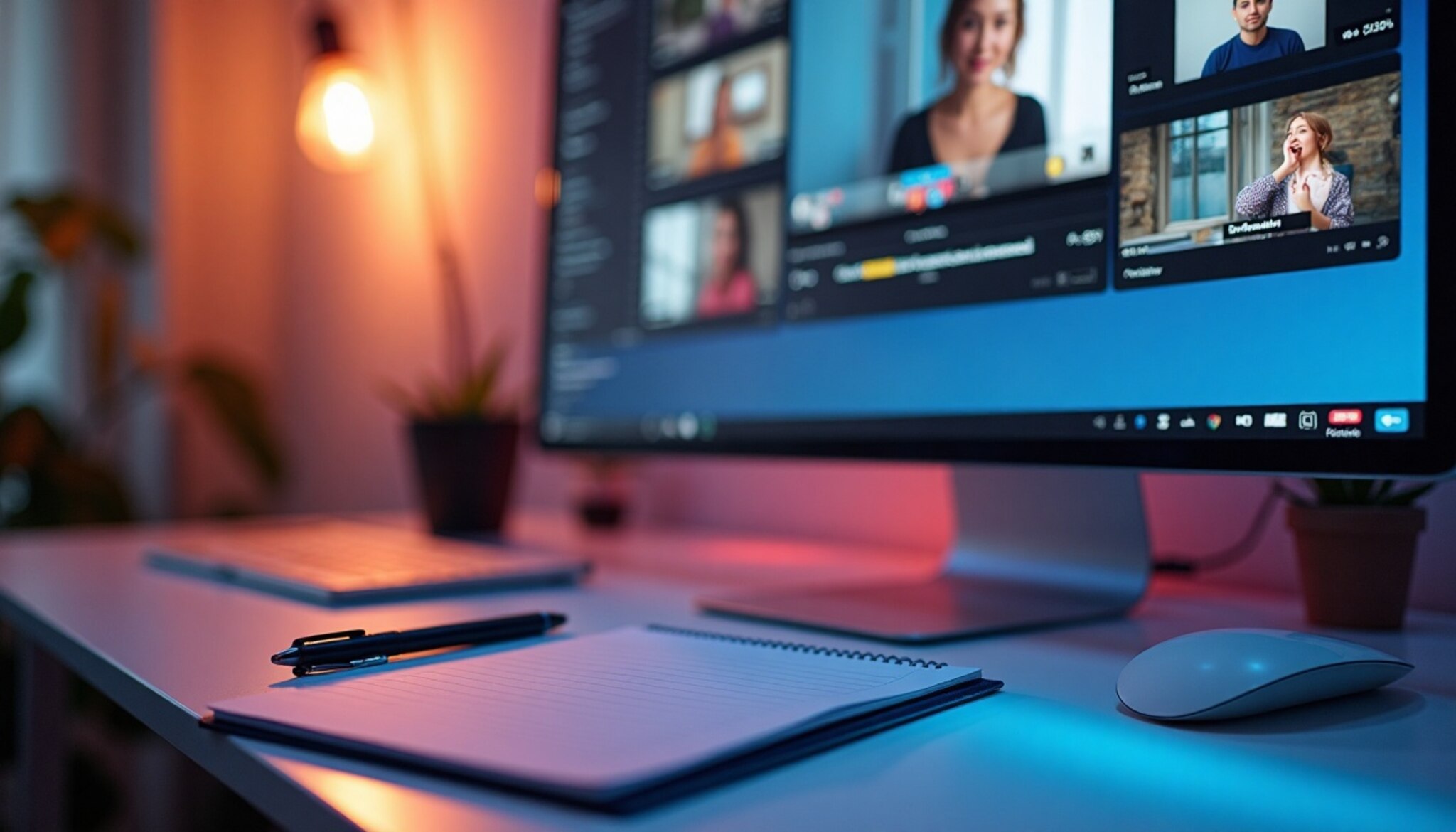
Introduction to Webinar Repurposing
Webinars have become a staple in digital marketing and education, primarily due to their ability to deliver comprehensive information in an interactive format. However, the longevity of a webinar’s value can be significantly enhanced by repurposing its content into more digestible, short-form videos. Repurposing involves transforming webinar content into smaller, more engaging pieces suitable for platforms like LinkedIn and Instagram Reels. This approach not only extends the life of the original content but also broadens its reach to engage a different or larger audience who might prefer shorter content formats due to their busy lifestyles.
The Rise of AI in Video Creation
Recent advancements in artificial intelligence (AI) have revolutionized video creation, making it both accessible and cost-efficient. AI-driven tools now allow marketers to automatically edit, caption, and even generate voiceovers for videos, reducing the time and expertise required in traditional video production. Significantly, statistics from the last year reveal that videos incorporating AI are viewed three times longer than those without AI enhancements. Moreover, AI technologies have catalyzed a 40% increase in content engagement, as they enable the creation of polished, professional-quality videos at a fraction of the usual cost and time.
Benefits of Short-Form Video on Social Media
- Increased Engagement: Short-form videos cater to the diminishing attention spans of today’s social media users, who are more likely to watch a 2-minute video than sit through a 60-minute webinar.
- Higher Conversion Rates: Studies show that viewers are 70% more likely to purchase a product after watching a short video about it, emphasizing the effectiveness of this content style in driving actions.
- Case Study: A notable example is a tech company that repurposed its webinars into series of 1-minute videos about cloud computing, which resulted in a 60% increase in user engagement and a double-digit uplift in follow-up inquiries.
Step-By-Step Guide to Repurposing Webinars into AI Videos
1. Choosing the Right Webinar Content: Not all webinars will be suitable for repurposing into short-form videos. The key is to identify segments that provide the most value or interest independently. Analytics can show which parts of the webinar viewers watched most or engaged with via likes, comments, or shares. Focus on segments that offer actionable insights or relevant information that can stand alone effectively.
2. Using AI Tools for Editing: Leveraging AI tools like Vommo.ai or Synthesia can significantly ease the process of editing and customizing video content for different platforms. These tools offer features such as automated transcription, smart cropping, and custom overlays that enhance viewer engagement without needing deep technical expertise. For example, using Smart Transcription can help create subtitles swiftly, ensuring accessibility for a broader audience.
3. Creating Bite-Sized Videos: When adapting content for platforms like LinkedIn and Reels, understanding the audience’s preferences and the platform’s constraints are critical. For instance, LinkedIn users generally seek professional development content, whereas Instagram Reels are better suited for more dynamic and visually engaging videos. Tips for engaging videos include:
- Keeping videos under 2 minutes to hold viewer attention
- Starting with a hook to grab attention immediately
- Using strong visuals and fast-paced editing to maintain interest
- Adding clear, concise captions to enhance understanding
Gaps Observed in Competitor Articles
In reviewing existing content on the topic, many articles focus heavily on the technical aspects of using AI tools but neglect the creative elements necessary for engagement. Moreover, little attention is paid to video analytics, an essential part of understanding engagement levels and optimizing future content. Effective analysis can reveal what types of videos resonate with viewers, allowing for data-driven adjustments to content strategy.
Understanding Audience Preferences
To maximize the effectiveness of repurposing webinars into videos, it is crucial to understand what resonates with target audiences. A recent survey indicated that 85% of consumers prefer to watch videos over reading text when learning about a product or service. Hence, ensuring content aligns with audience preferences is vital. Engaging social media polls can also be a practical method for gathering insights about what your audience wishes to see in video format.
The Role of SEO in Video Repurposing
Another essential element that should not be overlooked is the optimization of video content for search engines. Incorporating relevant keywords into video titles, descriptions, and tags can significantly enhance visibility. As recent stats suggest, 92% of video marketers say that video has a positive ROI, directly associating it with increased web traffic. Using trending keywords that align with your target audience’s search behavior can drive traffic to the repurposed video content.
Enhancing Videos with Creative Techniques
Beyond editing through AI tools, creative strategies can be employed to make videos more engaging. Consider incorporating storytelling elements, humor, or impactful visuals that align with the brand’s message. For instance, using before-and-after scenarios can establish a strong connection with viewers by depicting how a service or product transforms an experience. Engaging storytelling can notably elevate the emotional impact of the video.
Measuring Video Performance
Metrics play a pivotal role in determining the success of repurposed videos. Key performance indicators (KPIs) such as view rates, engagement rates, and conversion rates can indicate how well the content performs. An analysis may reveal trends over time, explaining which types of content drive the most interaction. A recent report in 2023 highlighted that businesses that regularly track and analyze these metrics see a 30% increase in their video marketing effectiveness. Tools like Google Analytics and social media insights can help gather this data efficiently.
Iterative Learning and Experimentation
The process of repurposing webinar content into videos should be iterative. Regularly testing different formats, lengths, and styles will help identify what works best. With the ever-changing landscape of social media and audience preferences, staying adaptable is crucial. For instance, if a particular style of short video performs exceptionally well, consider producing a series based on that format. Furthermore, collecting viewer feedback post-release can provide valuable insights for future content refinement.
Effective Strategies for Distributing AI Videos
Maximizing the reach and impact of AI-generated videos requires strategic posting on social platforms such as LinkedIn and Instagram. It is essential to understand the best times to post, which generally align with peak user activity periods. On LinkedIn, ideal posting times are typically between 8 AM to 10 AM on Tuesdays through Thursdays, while for Instagram Reels, evenings around 7 PM to 9 PM on weekdays seem to garner the best engagement rates.
Constructing a schedule that keeps your audience engaged throughout the week is also crucial. Consistency aids in building a loyal following. For instance, you might decide to post short AI videos twice a week and supplement with live Q&A sessions or updates to maintain high engagement levels.
Analyzing Engagement Metrics
Understanding engagement metrics is fundamental to gauging the success of video marketing strategies. Key performance indicators (KPIs) such as view count, likes, comments, shares, and watch time provide insights into how content is performing. LinkedIn analytics and Instagram Insights offer detailed reports that help marketers adjust their strategies for better outcomes. For example, tracking dropout rates and peak watch times can guide the editing process to create more engaging entry points and retain viewership.
Insights from Recent Statistics
To further contextualize the importance of effective video distribution, recent statistics indicate that video content is 1200% more likely to be shared compared to other forms of content. Platforms like LinkedIn have reported that video posts receive 5 times more engagement than static content. According to research conducted in late 2022, 80% of consumers prefer watching live videos from a brand than reading a blog post, highlighting the growing preference toward video communication.
Case Study: Successful Repurposing Examples
A review of several repurposing initiatives shows that converting webinar content into bite-sized AI videos can significantly enhance online engagement. For instance, a technology firm leveraged AI to distill their hour-long webinar sessions into multiple two-minute videos for LinkedIn, resulting in a 70% increase in engagement and a 50% uptick in webinar sign-ups. Also, a health sector webinar series repackaged into quick Instagram Reels saw a step-up in follower interaction, nearly doubling their social media engagement within a three-month span.
These examples underscore the efficiency of AI in creating compelling video content from longer sessions, making intricate topics more digestible and attractive to a broader audience. Following these examples, many organizations are increasingly recognizing the value in repurposing their existing content into shorter formats, which can save resources while maximizing reach.
FAQs
1. What are the best AI tools for video creation?
Pictory and Voomo.ai are acclaimed for their user-friendly interfaces and advanced features that allow for high-quality video production without requiring extensive video editing skills.
2. How long should my videos be for optimal engagement?
Videos on LinkedIn should be under two minutes, while Instagram Reels can be anywhere from 15 seconds to 30 seconds for the best engagement.
3. Can I use webinar content directly as video?
Webinar content can be used directly, but it typically performs better when edited down into shorter, more engaging segments tailored for social media audiences.
4. How do I measure the success of my videos?
Success can be measured using KPIs like views, engagement rates, and conversion metrics that can be tracked via platform-specific analytics tools.
5. What are common mistakes to avoid?
Avoid overly long videos, neglecting to adapt the content for specific platforms, and underutilizing analytics tools to refine video strategies.
Tools for Strategic Distribution
Utilizing tools and platforms effectively can amplify the impact of AI videos. Tools such as Hootsuite and Buffer can automate and schedule posts based on optimized timing for unique audiences. Furthermore, employing A/B testing strategies with different video formats and content styles can help discern what resonates best with the target demographic, allowing for more informed future strategies.
Community Engagement
Engaging your audience goes beyond posting videos; it includes fostering community interactions. Responding to comments, asking for feedback, and encouraging user-generated content can create a sense of community and loyalty. For instance, inviting followers to share their own AI video experiences or suggesting topics for future videos can enhance viewer involvement, making them feel like part of the content creation process.
Conclusion
Repurposing webinar content into bite-sized AI videos opens up vast opportunities for enhancing viewer engagement on platforms like LinkedIn and Instagram Reels. This content format not only extends the life of the original webinar content but also suits the consumption habits of a diverse social media audience. By implementing the strategic advice shared, including insights from recent statistics, and leveraging community engagement, you can increase visibility and foster deeper connections with your audience.
Leave a Reply