
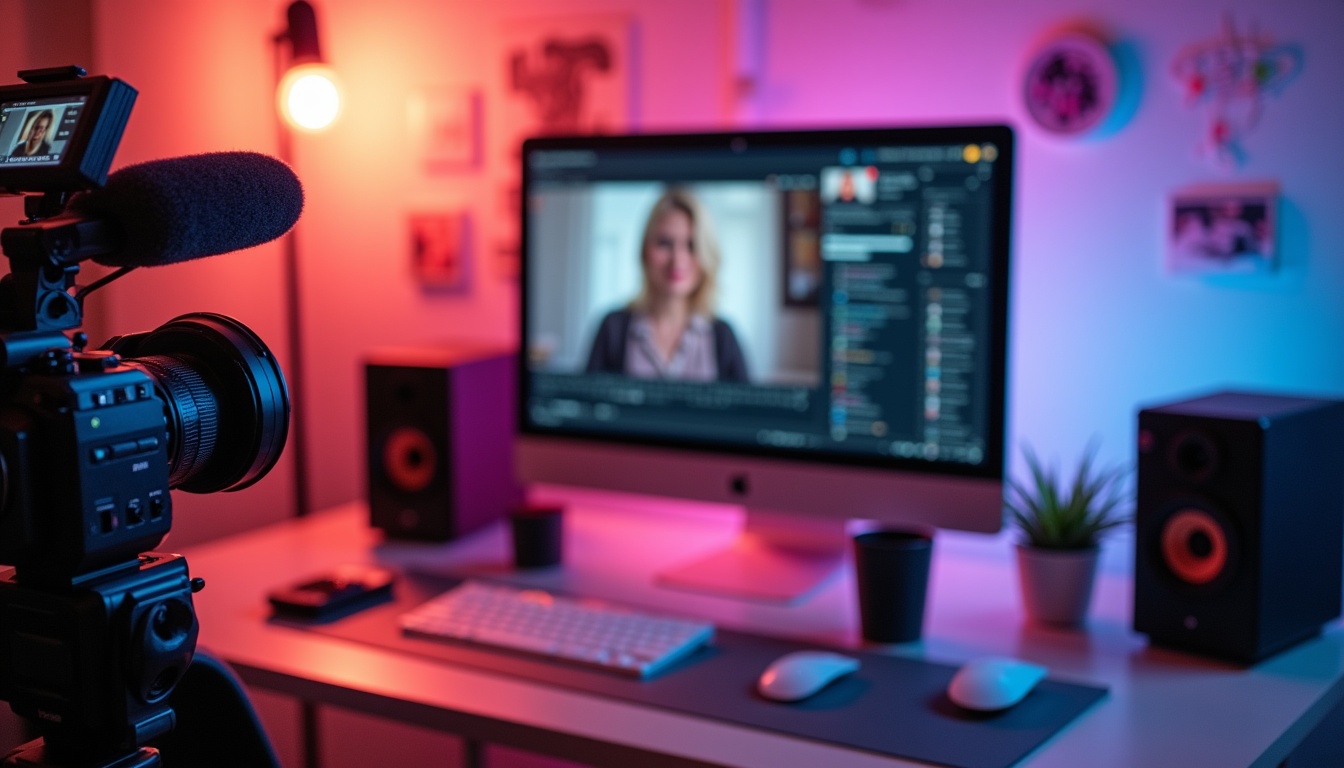
Introduction to YouTube Live Streaming
Live streaming has revolutionized how content is created and consumed on digital platforms, particularly on YouTube. By definition, live streaming refers to online streaming media simultaneously recorded and broadcast in real-time. It is not just an avenue for gamers but for any content creator aiming to connect with their audience instantly.
YouTube, known primarily for its pre-recorded video content, has emerged significantly as a primary hub for live streaming. The platform offers tools and features that allow creators to broadcast live to their audience, thereby adding a dynamic layer to digital interaction. With recent statistics indicating that users watch over 1 billion hours of YouTube videos daily, integrating live streaming into this platform taps into a vast potential audience.
The importance of live streaming can also be underscored by recent shifts in viewer behavior, where more audiences are gravitating toward real-time engagement. Content creators use live streaming not only to grow their reach but to enhance their connections with viewers, creating a more personable interaction.
Benefits of YouTube Live Streaming
Live streaming on YouTube garners several benefits, primarily centered around audience engagement. Unlike traditional video content, live streams allow for real-time interaction between the streamer and viewers through features like live chats. This immediate interaction fosters a strong sense of community and loyalty among viewers as they feel directly involved in the conversation.
Another fundamental advantage of YouTube live streaming lies in its monetization opportunities. Creators can earn through ads, super chats, and channel memberships during the live stream, presenting them a lucrative avenue to boost their earnings. A recent survey highlighted that around 60% of live streamers reported increased earnings through real-time features like super chats and stickers.
Moreover, YouTube’s widespread popularity provides high visibility and extensive reach. Live content on YouTube benefits from the platform’s robust algorithm, which promotes live content to potentially interested users, thus amplifying the creator’s visibility and potential viewer base.
Essential Equipment for Live Streaming
Opting for high-quality equipment can profoundly impact the success of your YouTube live streams. Here are some essentials:
- Cameras: The choice of camera significantly affects the stream’s quality. Options range from webcams for beginners to more advanced DSLRs for professionals seeking higher quality.
- Microphones: Clear audio is crucial as it impacts the viewers’ ability to engage with the content. From USB microphones to lapel mics, the type chosen can vary based on the creator’s needs and setup.
- Lighting: Proper lighting is a key to professional-looking streams. Ring lights or key lights help in enhancing video quality by providing even lighting, thus keeping the focus on you.
- Software: Choosing the right streaming software is crucial. OBS Studio and Streamlabs are popular choices that offer extensive customization and powerful streaming capabilities.
Recent studies have indicated that streams with higher video and audio quality tend to retain viewers four times longer than low-quality ones.
Setting Up Your YouTube Live Stream
Creating a live stream on YouTube involves several key steps:
- Go to your YouTube dashboard and select the ‘Go Live’ option to start setting up.
- Configure your stream settings by selecting suitable resolution and bitrate to optimize stream quality without buffering.
- Decide whether you want to schedule your stream for later or start immediately, providing flexibility and convenience.
- Adding effective titles, descriptions, and tags is essential as they help your stream appear in search results, thus increasing visibility.
Key Strategies for Successful Streaming
Creating a successful live stream requires careful planning before, during, and after the event:
- Pre-stream preparations: Prepare your content outline, check your internet connection, and ensure your equipment is functioning properly.
- Engaging with the audience during the stream: Actively converse with your viewers, answer their queries, and acknowledge their comments to make the interaction more engaging.
- Post-stream activities: Edit the live video for highlights, share clips on other social platforms, and analyze stream performance through YouTube analytics to understand audience preferences.
Common Mistakes to Avoid
Avoid common pitfalls to ensure the quality of your YouTube live streams:
- Technical errors: Poor internet connection or outdated equipment can interrupt the streaming experience.
- Ignoring viewer feedback: Viewers may provide insights into what works or doesn’t; overlooking this feedback can limit stream effectiveness.
- Neglecting promotions: Failing to market your streams on other social platforms can reduce potential reach.
This extensive guide provides you with the essentials needed to grasp the fundamentals of YouTube live streaming. Whether you are a beginner aiming to explore the dynamic world of live broadcasting or an experienced creator looking to refine your streaming strategy, these insights will equip you with the necessary knowledge and tools to succeed on YouTube’s thriving platform.
Understanding YouTube’s Algorithm and Live Streaming
YouTube’s algorithm plays a pivotal role in determining which live streams appear prominently on users’ feeds. To excel in live streaming, understanding and leveraging the YouTube algorithm is essential. Firstly, YouTube prioritizes user engagement, which includes metrics like watch time, likes, comments, and the number of shares. Recent 2024 statistics reveal that streams with higher interactive engagement improve their visibility by up to 40% compared to less interactive ones.
Another critical aspect is the use of relevant keywords in the video’s title, description, and tags. Strategically placed keywords can significantly increase a live stream’s discoverability. Additionally, the consistency of content posting also helps channels to become more favorable in the eyes of the algorithm, making scheduled live streams a smart tactic for growth.
Leveraging Social Media for Stream Promotion
Integrating live streams with social media campaigns is an effective way to broaden reach and attract more viewers. Promotion across platforms like Twitter, Instagram, and Facebook before the streaming event can generate anticipation and increase the initial viewer count, which is crucial for gaining early traction and algorithmic favor. Social media acts as a launchpad, helping creators engage with existing followers while expanding their audience base. Promotional posts, stories, and teasers can keep audiences informed and create buzz around the live event.
Collaborating with influencers can also amplify reach. For example, a 2024 collaboration between a popular tech influencer and a gaming channel resulted in a 150% increase in viewership compared to similar streams without influencer involvement. This underlines the power of influencer partnerships in driving significant traffic to live streaming events. Not only do influencers bring their audience, but their endorsement can also lend credibility and draw in curious viewers who might not typically engage with the brand.
Interactive Features to Enhance Your Stream
Interactivity is a cornerstone of successful streaming. Features such as polls, Q&A sessions, and live chats not only keep the audience engaged but also contribute to a higher watch time, boosting the stream’s algorithmic visibility. Real-time response to viewer comments and suggestions helps in creating a personalized experience, encouraging viewers to stay longer and interact more. A live stream can evolve dynamically as viewers contribute their thoughts and questions, making them feel part of the event.
Implementing these interactive elements has shown a consistent increase in engagement rates, with some channels witnessing up to a 50% improvement in audience retention during live streams in 2024. For instance, channels that employed live polls found that viewers were engaged for longer periods, as they felt their opinions and preferences were valued. This enhances the viewer experience and encourages them to return for future streams, fostering loyalty.
Analyzing Stream Performance
Measuring the success of a live stream is crucial for continuous improvement. Key metrics to monitor include viewer count, watch time, engagement rate, and click-through rates from promotional efforts. Tools like YouTube Analytics provide a wealth of data to help streamers understand their audience and refine their strategies. By analyzing these metrics, creators can identify trends, such as the types of content that resonate most with viewers, and adjust their future streams accordingly.
Reports from 2024 indicate that streamers who closely monitor analytics and adjust their content based on insights see an average increase of 30% in overall performance. For instance, understanding which type of content holds viewers’ attention aids creators in focusing their efforts on similar topics or formats, enhancing future streams. Additionally, creating custom reports can highlight not only successes but also areas needing improvement, empowering creators with data-driven insights to optimize their approach.
Building a Community Around Your Content
Creating a strong community around your content is more feasible with regular, scheduled streams that viewers can look forward to. Consistency not only aids in building a habitual viewership but also makes it easier to plan and execute a content strategy that resonates with the audience. Excitement builds when viewers know when to expect upcoming streams, as they can plan their schedules accordingly. This fosters a sense of reliability and anticipation.
Engaging with your audience post-stream through comments and social media interactions helps maintain the connection and encourages viewers to participate in future streams. This ongoing engagement is crucial for community building and long-term channel growth. Activities such as thanking viewers for participating, addressing their comments, or sharing future topics help nurture a sense of belonging. Creating a dedicated online space, such as a Discord server or a Facebook group, can also facilitate continuous interaction and interaction outside the streaming sessions.
Future Trends in YouTube Live Streaming
Emerging technologies such as augmented reality (AR) and virtual reality (VR) are set to revolutionize how audiences interact with live streams. For instance, 2024 has seen a surge in AR filters being used in streams, enhancing the viewer’s visual and interactive experience. These technologies provide a new canvas for creators to explore, allowing them to enable viewers to engage with their streams in ways that were previously unimaginable.
Additionally, the integration of AI for automated moderation and interaction in live chats is predicted to become mainstream by 2025, ensuring smoother and more engaging viewer interactions. AI can assist streamers in managing large audiences efficiently, filtering out spam and inappropriate content while providing real-time assistance for viewer queries. This enables content creators to focus more on delivering valuable content while maintaining a positive atmosphere for their viewers.
Conclusion
YouTube live streaming represents a powerful tool for content creators seeking to engage with their audience in real time. By understanding YouTube’s algorithm, using social media for promotion, incorporating interactive features, analyzing performance metrics, and building a dedicated community, creators can significantly enhance their streaming success. This multifaceted approach not only ensures that streams are visible but also fosters a loyal audience base eager to engage with content actively.
Embrace these strategies, stay abreast of the latest technological advancements, and continue to evolve your approach to meet the demands of your growing audience. The future of live streaming holds numerous opportunities for innovation and connection, and by adopting these expert tactics, you can ensure your channel not only survives but thrives in this dynamic environment.
FAQs
What equipment do I need to start live streaming?
A basic live streaming setup should include a good quality camera, microphone, reliable lighting, and streaming software.
How do I engage my audience during a stream?
Use interactive features like live chats, Q&A sessions, and polls to keep your audience engaged and involved in the conversation.
What are the monetization options for live streams?
YouTube offers several monetization options for live streams, including Super Chats, Super Stickers, and channel memberships.
Can I stream directly from my mobile?
Yes, YouTube allows you to live stream directly from your mobile device, making it convenient for streaming on the go.
What internet speed do I need for streaming?
For a smooth streaming experience, a minimum internet upload speed of 3 Mbps is recommended, though higher speeds of 10 Mbps or more are preferable for higher quality streams.
How can I improve viewer retention during my streams?
Engaging actively with your audience, maintaining a vibrant pace, and utilizing interactive elements like polls and Q&As can significantly enhance retention.
What role does thumbnail design play in live stream success?
An eye-catching and informative thumbnail can attract viewers before they even click on the stream, making it an important factor for drawing in an audience.
Is it beneficial to collaborate with other creators?
Yes, collaborating with other creators can introduce your content to a larger audience, fostering mutual growth and expanding your reach.
How often should I stream to maintain audience interest?
Regular and consistent streaming schedules help keep your audience engaged. Consider streaming at least once a week to build rapport and reliability.
Leave a Reply