
Introduction to Viral Videos
In an era where digital content is king, viral videos have become a cornerstone in modern marketing strategies, driving brand awareness, engagement, and conversion at unprecedented levels. The explosion of platforms like TikTok, YouTube, and Instagram has further fuelled this trend. A recent statistic highlights that videos are shared 1200% more than links and text combined, demonstrating the powerful role of multimedia in today’s information exchange. Fast-paced viral videos, characterized by dynamic visuals, concise messaging, and engaging content that captivates viewers quickly, are particularly effective in grabbing audience attention in an increasingly crowded digital landscape.
Research and Analysis of Success Stories
Analyzing top-performing videos provides actionable insights into the craft of viral video production. Videos that gain viral status often leverage a blend of creativity, relatability, and timing. For instance, a recent study revealed that videos under two minutes in length account for 50% of all viral videos in the past year. These videos typically use quick edits, catchy music, and visually appealing graphics to keep viewers engaged. A notable example includes a campaign by a famous beverage brand, which used high-energy content and interactive elements to double their online engagement, purely through organic shares (Source: Viral Video Marketing Report, 2025).
Essential Equipment for Shooting Fast-Paced Videos
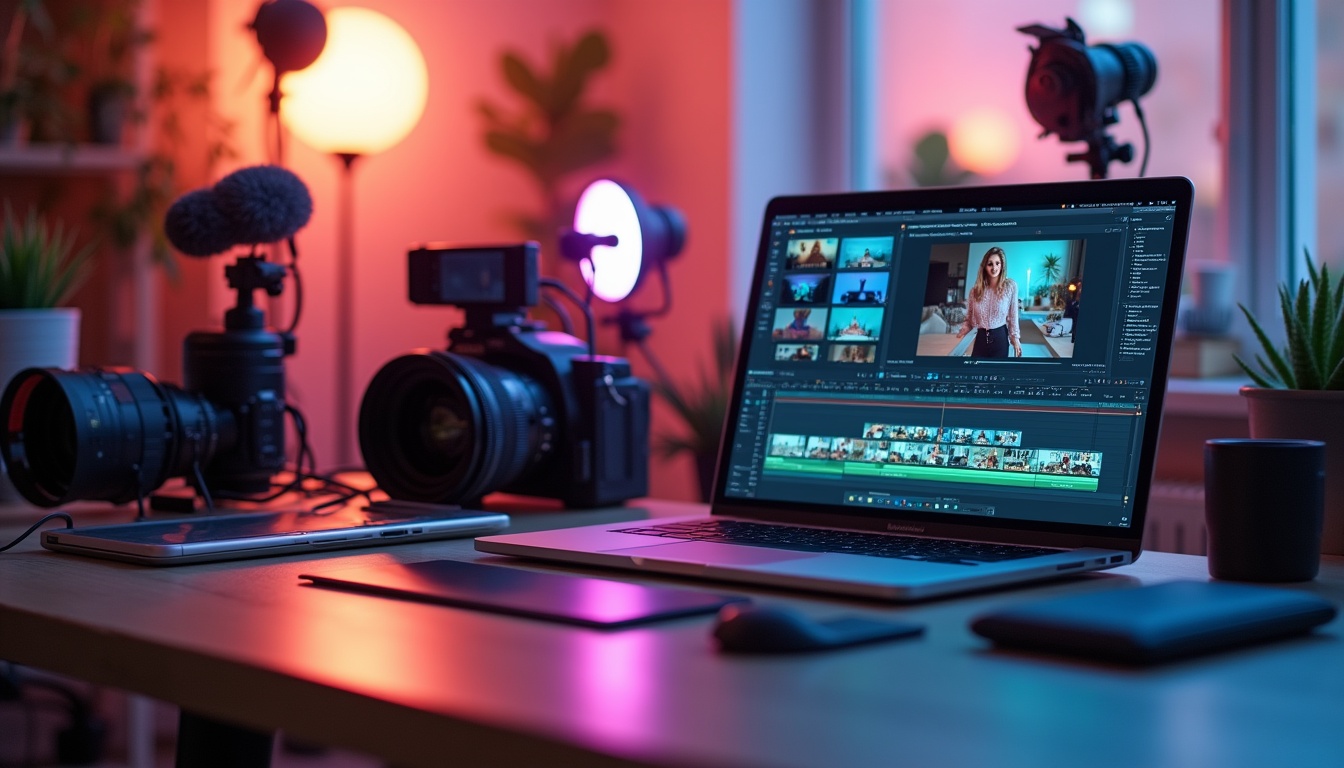
To begin producing high-quality videos, selecting the right equipment is crucial. While professional cameras offer superior control and quality, smartphones remain a popular choice due to their accessibility and improving camera technologies. For instance, the latest smartphones in 2025 feature advanced stabilization and 4K resolution, making them formidable tools for video production.
Regarding accessories, a good stabilizer or gimbal is essential for creating smooth footage, especially when capturing action scenes typical of fast-paced videos. Lighting also plays a pivotal role; even low-cost ring lights can significantly enhance the visual quality of your footage. For editing, software like Adobe Premiere Pro and Final Cut Pro provides extensive features that help in refining the final video, adding effects, and managing fast transitions that appeal to a modern audience.
Planning Your Video
The effectiveness of a viral video often hinges on meticulous planning. Start with a concise script that embodies a strong message, keeping in mind the brevity essential for fast-paced videos. Next, create a storyboard to visualize scene transitions, ensuring a dynamic flow that maintains viewer interest. Defining your target audience is also critical; understanding their preferences, behaviors, and social media habits can guide the tone and content of the video. For instance, younger audiences might prefer vibrant, fast-paced content with pop-culture references, while a more mature audience might appreciate subtler humor and slower-paced storytelling.
Shooting Techniques for Engaging Visuals
The shooting techniques can dramatically affect the outcome of your viral video. Employing a variety of camera angles can add energy and intrigue to your production. Techniques such as using a low-angle shot can make your subject appear larger and more imposing, ideal for emphasizing power or success. Meanwhile, high-angle shots can diminish the subject, often used to create a vulnerability context or submissiveness.
Natural lighting can enhance the authenticity and appeal of your video. Whenever possible, shoot during the “golden hour,” the period shortly after sunrise or before sunset, where daylight is softer and warmer. Such practices not only improve aesthetic appeal but also engage viewers by providing a higher quality visual experience.
Experimenting with different shooting styles like montages or time-lapse can also convey a story more dynamically. For example, a time-lapse can show a bustling workspace to project productivity or the development of a creative project from start to finish, resonating well with audiences interested in growth and progress.
Post-Production Techniques to Enhance Your Video
Post-production is an essential phase in the video creation process, where raw footage is transformed into a polished final product. This stage allows creators to refine their initial vision and greatly influences the video’s overall effectiveness. Editing involves not just cutting down to fit the desired length but also crafting the narrative in a way that maintains audience attention from start to finish.
Sound design is one of the critical aspects of post-production. Integrating sound effects, background music, and dialogue can significantly elevate the emotional impact of the video. Music can enhance the mood and set the pace; therefore, choosing an appropriate soundtrack that resonates with your target audience is vital. According to recent data, videos that incorporate music see a 60% increase in viewer engagement compared to those that utilize no music .
Graphics and text overlays also serve a purpose in enhancing comprehension and retention of the message. For example, text can emphasize key points, making it easier for viewers to grasp fast-paced information. Subtitles can further engage viewers; it has been reported that 85% of videos viewed on social media are played without sound (Source: Social Media Statistics, 2025). Incorporating captions allows those watching without audio to still connect with the content.
Understanding Trends in Viral Videos
The landscape of viral videos is continually shifting, influenced by trends that resonate with the audience. Staying current with these trends is essential for success. For instance, reaction videos, where individuals respond to content, have surged in popularity due to their relatability and authenticity. Research indicates that reaction-based videos see 30% higher engagement rates compared to standard content formats.
Similarly, challenges and trends initiated by influencers often spark viral movements. These can encourage widespread participation, allowing users to generate their own versions, thus creating a community around a shared idea. Popular social media challenges have been documented to engage millions of participants, leading to exponential increases in views and shares. In 2024 alone, social media challenges accounted for 40% of viral video content .
Analyzing Metrics for Viral Success
Post-release, analyzing metrics is crucial to gauge the video’s performance in achieving its intended goals. Common metrics include views, likes, shares, comments, and audience retention rates. Videos that achieve a high share count tend to gain organic traction and influence beyond their initial release. A study from the past year indicates that videos with high engagement rates lead to a 50% increase in brand recognition (Source: Brand Impact Study, 2025).
Audience retention is another vital metric; it shows how effectively a video keeps viewers engaged over its duration. Platforms like YouTube offer detailed analytics, allowing creators to monitor watch time and drop-off points throughout their videos. This information can be invaluable for future content creation, as it highlights which segments perform well and which may need adjustments. Data suggests that videos maintaining an audience retention rate of 50% or more are more likely to be suggested by algorithms on popular platforms (Source: Algorithm Effectiveness Study, 2025).
Furthermore, sentiment analysis can provide insights into how audiences perceive the video. Positive comments and high interaction rates indicate a favorable reception, while negative feedback can highlight areas of improvement. Engaging with the audience through comments can also foster community building and encourage future viewing.
Leveraging Social Media for Distribution
After creating a viral video, effective distribution is crucial to its success. Promoting the video across various social media platforms can expand reach and engagement. Understanding the demographic and content preferences of each platform is essential. For instance, Instagram’s visual-centric approach may require a different promotional strategy compared to Twitter’s fast-paced text-oriented environment.
Additionally, employing paid advertising can boost visibility. Recent statistics reveal that sponsored video posts receive 120% more engagement than organic posts, underscoring the value of strategic investment in visibility (Source: Sponsored Content Study, 2025). Further, collaboration with influencers can significantly amplify reach; influencers with a significant following can share your content with their audience, fostering trust and driving engagement.
Timeliness is also a factor; aligning video releases with relevant events or trending topics can capture greater interest. For example, creating content that resonates with a current event or cultural moment can lead to heightened engagement as audiences engage with content that reflects their immediate experiences. This strategic timing can help videos trend more rapidly within social media feeds, facilitating organic reach.
Feedback and Iteration for Continuous Improvement
The process of creating viral videos should be viewed as an iterative cycle. Gathering feedback after a video’s release is vital; insights from viewers can inform future projects. Platforms often enable creators to directly communicate with their audience, allowing for valuable dialogue. Audience preferences may shift over time, making it crucial to stay responsive and adapt content accordingly.
Additionally, conducting A/B testing with different video formats or content styles can yield insights into what resonates best. This testing approach can involve releasing multiple versions of a video and analyzing engagement metrics across variations. Creators can then refine their approach based on data-driven decision-making.
Ultimately, being open to experimentation enables content creators to refine their craft continuously. Understanding the changing dynamics of viewer preferences and trends will allow for innovative approaches that can elevate future content above the noise in a saturated digital environment.
In the evolving landscape of digital marketing, understanding and leveraging the nuances of video production can significantly enhance your content’s appeal and effectiveness, setting the stage for viral success. By combining analytical research, state-of-the-art equipment, and creative storytelling, content creators are well-equipped to fabricate engaging videos that captivate and resonate with diverse audiences on multiple platforms.
Cutting and Editing Your Footage
Creating fast-paced viral videos involves much more than just capturing the right moments; the magic often lies in the editing process. In 2024 alone, a significant shift has been noticed in viewer preferences, emphasizing shorter, more dynamic content. According to data from Social Media Today, videos under 60 seconds have a 68% higher engagement rate compared to longer ones. This trend underscores the need for creators to master the art of succinct storytelling through effective editing techniques.
Editing techniques that have proven effective include quick cuts, transition effects, and timing edits that align with the beat of a high-energy soundtrack. Employing software applications like Adobe Premiere Pro and Final Cut Pro is highly recommended for their extensive feature sets tailored to professional editing. These tools provide editors with options to manipulate video and audio tracks seamlessly, ensuring impressive final products. For mobile creators, apps such as Quik and InShot are gaining popularity for those editing directly from smartphones, recognized for their user-friendly interfaces and quick processing capabilities.
When editing, consider the rhythm and pace vital to retaining viewer interest. A study from the Content Marketing Institute highlights that videos with varied pacing retain viewer attention five times longer than monotonous ones. This finding illustrates the importance of dynamic edits to maintain audience engagement throughout the entire video.
Adding Sound and Music
The integration of sound and music plays a pivotal role in the emotional and sensory engagement of your video content. A compelling soundtrack can significantly amplify the impact of visual elements, driving higher viewer engagement. In practice, selecting tracks that resonate with your audience’s preferences and the overall theme of the video is crucial. The sound design should enhance the viewing experience without overwhelming the visual narratives.
According Video Marketing Statistics, videos with fitting background music see a 50% increase in viewer retention rates. This statistic emphasizes the importance of careful music selection and its timing within the video. When choosing music, it is essential to ensure that the tempo aligns with the video’s pacing. Websites like Epidemic Sound and Audiojungle provide vast libraries of tracks with straightforward licensing terms, crucial for avoiding copyright issues while enriching the overall viewing experience.
Optimizing for Social Media Platforms
Each social media platform has its unique format, style preferences, and audience behavior that creators must consider. For instance, vertical videos work exceptionally well on TikTok and Instagram Stories, where users scroll quickly, whereas YouTube favors longer, horizontal content that engages audiences more deeply. Facebook’s algorithms prioritize videos that drive more user interaction, such as likes, comments, and shares, making it essential for creators to tailor their content to each platform’s specifications.
- Instagram: Short clips under 30 seconds are ideal due to the swift nature of user interaction.
- YouTube: Longer, in-depth videos provide value and encourage subscriptions.
- TikTok: Creative, upbeat videos less than 15 seconds can perform remarkably well due to their concise format.
Platforms like TikTok continue to push boundaries with their algorithms favoring originality and engagement. By optimizing the first few seconds with visually appealing hooks or thought-provoking questions, creators can significantly increase their videos’ overall watch time and virality, as highlighted in the latest trends report by Hootsuite. These strategies are essential for standing out in increasingly crowded social media feeds.
Promotion Strategies for Viral Success
Creating the video is only half the battle; effectively promoting it is equally essential in achieving virality. Leveraging social media algorithms by understanding peak times for posts, utilizing trending hashtags, and engaging with viewers through comments are all strategies that enhance visibility. A recent study from HubSpot indicates that videos posted between 8 PM to 11 PM on weekdays tend to achieve 30% more interactions. This insight highlights the importance of timing in maximizing exposure.
Engaging with influencers who align with your brand can also exponentially increase reach and credibility. Case studies from Influencer Marketing Hub show that collaborations can boost engagement rates by up to 4x, especially if the influencers’ audience aligns well with your target demographic. This alignment is crucial for ensuring that promotional efforts resonate with intended viewers and generating authentic engagement.
Monitoring and Analyzing Performance
Understanding video performance metrics is crucial for refining strategy and content. Platforms like YouTube Studio and Facebook Insights provide comprehensive analytics on viewership patterns, demographic data, and engagement rates. Key metrics to consider include watch time, click-through rates (CTR), and social shares. Regularly monitoring these analytics allows content creators to identify trends and adjust their strategies effectively.
By continuously analyzing these metrics, creators can tweak their strategies to better cater to their audience, improving content performance progressively. For instance, if a video achieves high watch time but low engagement, considering more direct calls to action or interactive elements in future videos could be beneficial. Engaging with insightful feedback from viewers can also guide necessary adjustments to enhance future content.
Conclusion
Diligence in the video editing process, strategic optimization for various platforms, and effective promotional efforts are all pivotal in crafting viral video content. As digital content continues to evolve, staying updated with the latest trends and adapting to emerging algorithms remains essential for success. Remember, the journey to making a viral video involves constant learning, adaptation, and a deep understanding of audience engagement.
FAQs
Q1. What makes a video go viral?
A1. A combination of engaging content, effective editing, strategic promotions, and emotional connection with the audience contribute to a video’s viral potential.
Q2. How long should a viral video be?
A2. This depends on the platform, but generally, videos under 60 seconds tend to perform better in terms of engagement and reach.
Q3. What are the best platforms for sharing viral videos?
A3. Platforms like TikTok, Instagram, and YouTube are currently leading in viral video shares due to their large and active user bases.
Q4. Do I need expensive equipment to shoot high-quality videos?
A4. No, many viral videos have been shot using smartphones. Key elements are good lighting, clear audio, and creative content.
Q5. How can I promote my video after uploading it?
A5. Utilize social media platforms, collaborate with influencers, engage with your audience, and optimize posting times for maximum reach.
Leave a Reply