
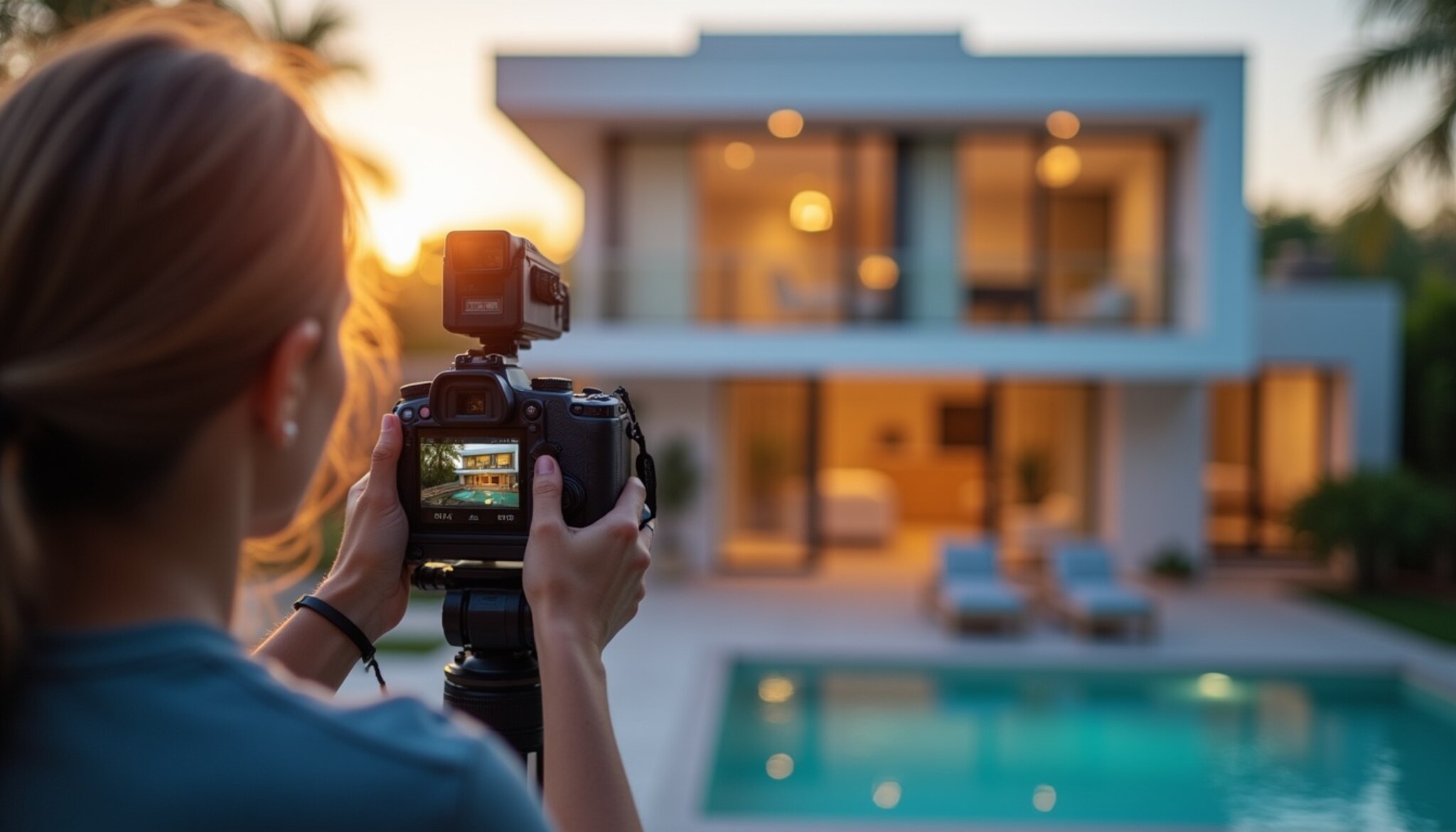
Introduction to Video Marketing in Real Estate
Video marketing has swiftly climbed the ranks as an indispensable tool in real estate, blending visual appeal with informative content to engage potential buyers and sellers. In today’s digital landscape, where 85% of buyers and sellers want to work with an agent who uses video as part of their marketing efforts, according to a recent Real Estate in a Digital Age report, the ability to capture and share properties through video has become vital. This introduction explores the powerful role video marketing plays specifically in the real estate sector.
Overview of Video Marketing
Video marketing involves creating promotional content through videos and distributing these across various platforms to enhance engagement and outreach. With the rise of social media, the accessibility of high-quality recording devices, and the general preference for video content, video marketing’s influence continues to flourish. A staggering statistic from Google states that nearly 60% of internet users said they visited a publisher’s website after watching a video on YouTube, highlighting the compelling nature of video content in driving action.
Importance of Video Marketing in Real Estate
In the context of real estate, video marketing transcends traditional marketing methods by allowing prospective clients to experience properties remotely, fostering a stronger emotional connection than photographs alone can provide. The National Association of Realtors highlighted that listings incorporating video receive 403% more inquiries than those without. Real estate agents utilizing video marketing can showcase properties more dynamically, providing a virtual walkthrough that enhances client interest and engagement significantly.
Current Trends in Real Estate Video Marketing
The evolution of real estate video marketing continues to adapt dynamically as consumer preferences shift towards more immersive and interactive content.
The Rise of Virtual Tours
Virtual tours have become a cornerstone in real estate marketing strategies, especially in the context of the ongoing global health concerns where physical distancing is encouraged. These tours mimic the experience of visiting a property in person, providing a 360-degree view and freedom to explore detailed aspects of the property at one’s own pace. Recent data from Zillow revealed that listings with a 3D home tour were saved by users 50% more often than those without, purportedly leading to faster sales and higher satisfaction rates among buyers.
User-Generated Content
User-generated content (UGC) in real estate has taken a significant leap forward. This type of content, created by clients, whether they are videos, testimonials, or virtual diary entries about their experience, provides authenticity to the property listing. Prospects seeing real people speak about their honest experiences creates credibility and reliability, transforming passive viewers into active participants. A survey demonstrated that properties featured with UGC saw a 28% higher engagement rate compared to those with generic descriptions and images.
Types of Effective Real Estate Videos
The versatility in types of real estate videos allows marketers to tailor content specific to their audience’s needs, enhancing relevance and engagement.
Listing Videos
Listing videos showcase the property itself, emphasizing unique features through cinematic filming and compelling storytelling to captivate potential buyers. These videos not only highlight the property’s aesthetics and functional aspects but also embed a narrative that viewers can envision themselves in, potentially increasing their emotional investment. Statistics support this approach, indicating homes with listing videos attract four times the inquiries of homes without video.
Neighborhood Guides
An often-underestimated type of video content in real estate is the neighborhood guide. These videos provide potential buyers with a sense of the community surrounding the property, covering everything from schools and amenities to local events and traffic patterns. Such guides help buyers understand the lifestyle and community they may be moving into, which is an important element of the decision-making process.
Testimonial Videos
Testimonial videos are powerful tools that feature past clients sharing their experiences. These narratives build trust and authenticity around the agent’s brand, significantly influencing potential clients’ decision-making. According to a consumer survey, 68% of buyers trust online reviews and testimonials and consider them as reliable as personal recommendations.
Tools and Technologies for Real Estate Videos
Effective real estate video marketing isn’t just about capturing content; it equally involves editing and presentation. Utilizing the right tools and technologies is essential for producing high-quality videos that stand out.
Video Creation Tools
The market offers various professional-grade video creation tools such as high-resolution cameras and drones for aerial footage, providing expansive shots that enhance the attractiveness of a property. Moreover, technological advancements like virtual staging software allow realtors to furnish properties virtually, saving costs and offering potential buyers a glimpse into the furnished potential of a property.
Video Editing Software
Once content is captured, video editing software plays a crucial role in piecing together the final product. Tools like Adobe Premiere Pro and Final Cut Pro offer a range of features from basic trimming and cropping to advanced effects and color grading. These tools help in refining the video to ensure it is appealing, engaging, and effectively communicates the property’s message.
Strategies to Boost Video ROI
Maximizing return on investment (ROI) with video marketing in real estate involves strategic planning and execution. Here are some tactics to leverage video effectively.
SEO for Real Estate Videos
Optimizing real estate videos for search engines can significantly increase their visibility and reach. This involves using the right keywords, meta descriptions, and tags. Ensuring videos are mobile-friendly and include localized keywords can draw in a significant number of local searches, which are crucial for real estate marketing.
Leveraging Social Media
Social media platforms offer immense possibilities for video sharing and can dramatically enhance the reach of real estate content. Platforms like Facebook, Instagram, and TikTok allow realtors to create and share engaging video content that can go viral, targeting a large audience base quickly and effectively.
Analyzing Video Performance
Continuous improvement in video marketing strategies is possible through rigorous analysis of performance metrics such as views, engagement rates, and conversion metrics. Tools like Google Analytics and social media analytics provide insights into how videos are performing, which is critical for refining strategies and improving future video marketing efforts.
Case Studies and Recent Success Stories
Incorporating real-life examples can offer valuable insights into the practical application of video marketing strategies in real estate. One such example is the use of listing videos by a real estate agency in Los Angeles, which resulted in a 200% increase in inquiries over three months. The agency utilized drone technology to capture stunning aerial views of luxury properties, showcasing the surrounding area and its amenities.
Another compelling case study is from a suburban real estate firm that adopted user-generated content strategies. By encouraging satisfied clients to share their stories via video, they created authentic content that resonated with potential buyers. This approach led to a remarkable 35% rise in lead conversion rates within a year.
Furthermore, a regional agency that embraced virtual tours reported a 50% decrease in property showings while still closing deals effectively. By adopting this innovative approach to touring properties, they saved time and resources while catering to buyers preferring remote viewings.
Statistics Supporting Video Marketing Impact
Comprehensive research underpins the effectiveness of video marketing in real estate. A survey by the National Association of Realtors indicated that 73% of homeowners are more likely to list their property with an agent who uses video as a marketing tool. Moreover, video content has the potential to increase click-through rates, as evidenced by a recent study from Wyzowl, which found that video content can increase conversion rates by up to 80% when used strategically on landing pages.
Recap of Key Points
Throughout this exploration into video marketing for real estate, we’ve highlighted several critical facets. From the surge in the popularity of virtual tours to the intricate tools that streamline video creation and editing, real estate professionals have at their disposal a potent arsenal for engaging likely buyers and sellers. Moreover, our discussion extended to user-generated content and innovative uses of social media platforms to magnify reach and impact.
Final Thoughts on Video Marketing ROI
To encapsulate, the return on investment (ROI) from video marketing in real estate can be significantly augmented through strategic execution and continual adaptation to emerging trends. As the digital landscape evolves, so too should the strategies undertaken by real estate professionals to stay competitive and appealing to a tech-savvy audience.
Conclusion
By utilizing innovative video marketing strategies, real estate professionals can bolster their market presence and enhance client engagement. The direct impact of tailored video content on marketing ROI is undeniable, providing clear, compelling visual narratives that resonate with potential buyers and sellers. The future of real estate marketing heavily leans towards dynamic video content, underpinned by advanced analytics for measuring performance and optimizing strategies.
FAQs
What types of videos are most effective in real estate?
Videos that showcase property walkthroughs, client testimonials, and neighborhood guides are particularly effective in capturing the interest of prospects.
How can I use drone videos in my marketing?
Drone videos provide an aerial perspective of properties, offering expansive views and highlighting large estates or unique outdoor features.
What platforms should I use for video marketing?
YouTube stands as a prime platform due to its widespread reach, followed closely by Facebook and Instagram, which offer robust targeting options.
How long should my real estate videos be?
Keep property videos under three minutes to maintain viewer engagement. However, individual property highlights can be shorter, around one minute.
What budget should I allocate for video marketing?
Budgetary considerations vary widely, but investing in quality video production ensures your content stands out in the competitive real estate market.
The Evolution of Video Marketing in Real Estate
In the last few years, the real estate sector has experienced a significant transformation, largely driven by advancements in technology and changes in consumer behavior. According to recent findings, over 80% of real estate professionals now incorporate video into their marketing strategies, recognizing it as an essential tool to connect with potential clients.
As regards property marketing, video content stands out due to its ability to create immersive experiences. Surveys show that listings with video receive up to 403% more inquiries than those without, indicating the substantial impact videos can have on attracting interest. The increasing importance of visual storytelling in real estate cannot be overstated, as potential buyers seek to engage with properties in a more tactile and engaging manner.
Creating Compelling Video Content
To maximize effectiveness, real estate professionals should focus on various types of content that appeal to their target audience. Below are some effective approaches:
- Property Tours: Short, engaging walkthroughs allow potential buyers to visualize living in the space, making them more likely to reach out.
- Client Testimonials: Authentic reviews from satisfied customers build credibility and trust, essential elements in the buying decision.
- Community Highlight Videos: Showcasing local amenities, schools, and attractions can enhance the appeal of a property by emphasizing its location.
- Market Updates: Providing insights into real estate trends and market conditions keeps your audience informed and positions you as an industry expert.
One poignant example of effective video marketing is showcased by a leading real estate agency that integrated neighborhood guides into their portfolio. They produced visually appealing videos comparing various areas, illustrating the advantages of living in each neighborhood. This strategy not only informed potential buyers but also enhanced engagement through useful content.
Leveraging Social Media for Video Promotion
In addition to producing high-quality video content, real estate professionals need to leverage social media platforms for distribution. Facebook, Instagram, and TikTok are powerful channels that can help maximize reach. Recent statistics highlight that 68% of marketers found video content generates more engagement than images alone, emphasizing the need for real estate agents to adapt their strategies to incorporate videos across these platforms.
A smart approach is to create platform-specific content, such as short videos for TikTok or Instagram Reels that highlight unique property features, alongside longer, more in-depth videos on YouTube. This method not only caters to viewer preferences across different platforms but also creates diversified content that enhances brand visibility and appeal.
Analytics and Video Performance Measurement
Understanding how video content performs is critical for continuous improvement. Employing analytics tools allows real estate professionals to decode viewer behavior, which in turn can inform future content strategies. Metrics such as viewer retention, click-through rates, and conversion rates can highlight what works, enabling a data-driven approach to video marketing.
For instance, by analyzing viewer drop-off points in videos, agents can identify less engaging sections and adjust their future content to hold viewer attention more effectively.
Conclusion
In conclusion, the landscape of real estate marketing is continuously evolving, and video has firmly established itself as a vital component of successful marketing strategies. By creating a range of engaging video content and utilizing social media for promotion, real estate professionals can significantly enhance their visibility and client interactions. As the market shifts, staying adaptable and knowledgeable about the latest trends will be crucial for those looking to thrive in this competitive arena.
The insights gained through this exploration of video marketing strategies underscore the journey towards a more interactive and engaging real estate market, where technology-driven approaches have become indispensable in connecting with clients.
FAQs
What types of videos are most effective in real estate?
Videos that showcase property walkthroughs, client testimonials, and neighborhood guides are particularly effective in capturing the interest of prospects.
How can I use drone videos in my marketing?
Drone videos provide an aerial perspective of properties, offering expansive views and highlighting large estates or unique outdoor features.
What platforms should I use for video marketing?
YouTube stands as a prime platform due to its widespread reach, followed closely by Facebook and Instagram, which offer robust targeting options.
How long should my real estate videos be?
Keep property videos under three minutes to maintain viewer engagement. However, individual property highlights can be shorter, around one minute.
What budget should I allocate for video marketing?
Budgetary considerations vary widely, but investing in quality video production ensures your content stands out in the competitive real estate market.
Leave a Reply