
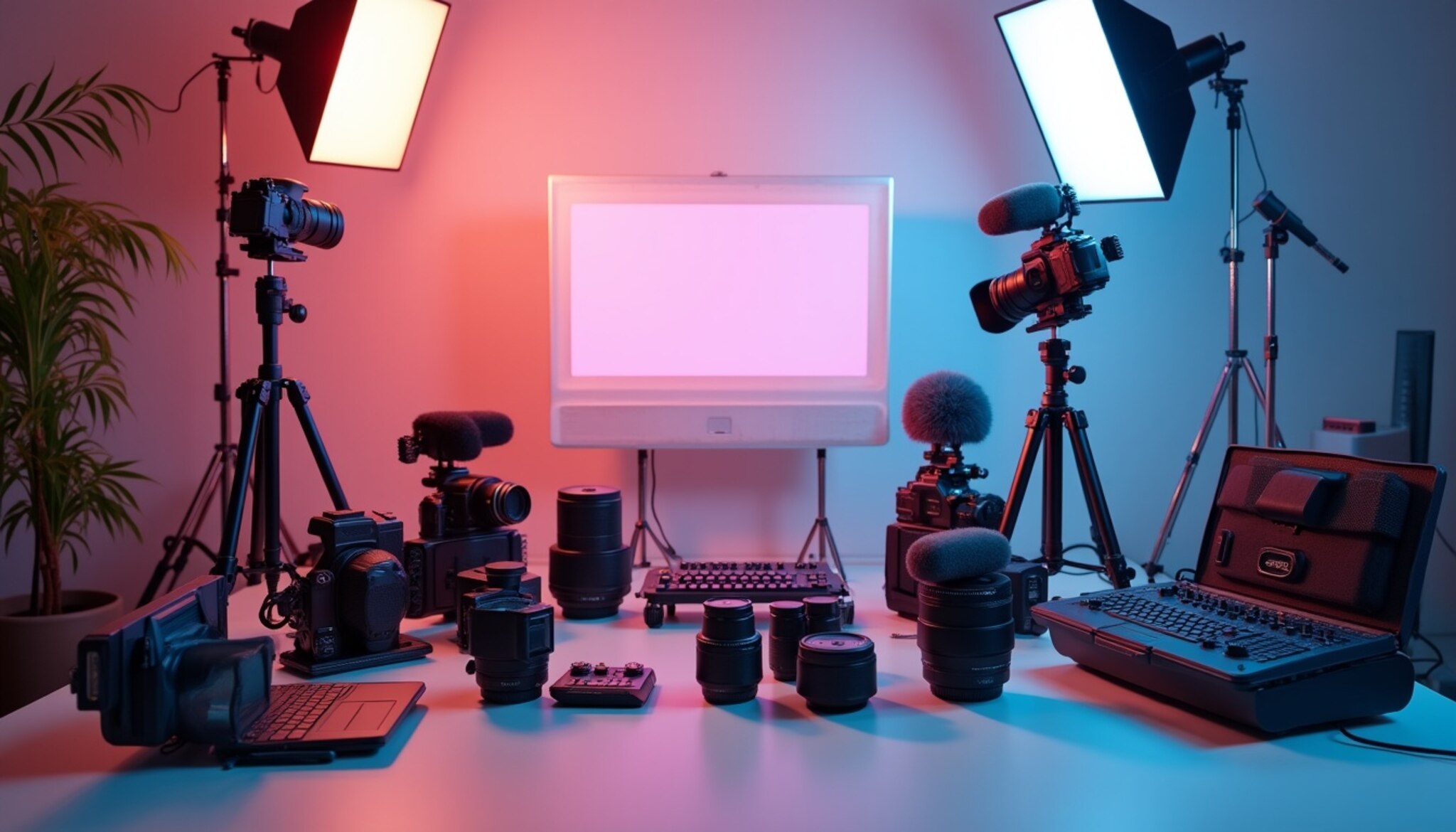
Introduction to Video Equipment
In today’s digital landscape, video equipment has become an indispensable tool for content creators. The evolution of technology has significantly enhanced the quality and accessibility of video production gear, making it a critical element in both amateur and professional settings. Recent statistics have shown that videos are projected to make up more than 82% of all consumer internet traffic by the end of 2022 — up from 75% in 2017 (Cisco). This surge underscores the growing importance of investing in the right video equipment to produce high-quality content that captures and retains viewer engagement.
Types of Video Equipment
Understanding the variety of video equipment available is the first step towards creating visually captivating content. Here we delve into the main categories of gear that are pivotal in the realm of video production:
Cameras:
- DSLRs: Known for their versatility, DSLRs offer a balance of high image quality and manual control over settings. From capturing crisp visuals with shallow depth of field to their adaptability with various lenses, the DSLR remains a favorite for both newbies and seasoned professionals.
- Mirrorless Cameras: These are renowned for being lightweight and more compact as compared to DSLRs. They function without a mirror mechanism, allowing for a shorter distance between the lens and image sensor which enhances the quality of stills and videos.
- Camcorders: Specially designed for videography, camcorders are equipped with features like longer battery life and enhanced audio capabilities. They are ideal for shooting events or continuous footage, providing a seamless experience for filmmakers who require constant recording time.
Lighting:
- Softboxes: They diffuse the lighting from the source, creating a soft, natural-looking light that minimizes harsh shadows. Softboxes are particularly useful in portrait and product videography, offering flattering illumination that enhances the subject.
- LEDs: LED lights are favored for their energy efficiency and durability. They provide a consistent output and are available in various colors and intensities to suit different filming needs. Their versatility allows content creators to experiment with various setups and styles.
- Ring Lights: Popular among vloggers, ring lights eliminate shadows and provide even, direct light, which enhances facial features and is excellent for close-ups. This type of lighting has revolutionized the way tutorials and beauty videos are produced, providing a professional look that is easily attainable.
Audio:
- Microphones: Whether it’s a lavalier mic for discreet audio capture or a shotgun mic for direct sound pickup, the choice of microphone significantly impacts the audio quality of a production. A good microphone can drastically improve the clarity and professionalism of recorded audio.
- Mixers: Audio mixers are used to manage levels, inputs, and outputs for multiple sources, making them essential for controlling the sound landscape in larger productions. Understanding how to use a mixer effectively can elevate the audio experience in any video project.
- Recorders: For achieving high-quality sound independent of the camera, standalone audio recorders are utilized. They are crucial when the camera’s built-in mic isn’t sufficient, adding flexibility and quality to the audio capture process.
How to Choose the Right Equipment
Choosing the right video equipment entails aligning your budget with your professional needs and understanding the specific features that will enhance your production quality. Here are some critical considerations to keep in mind:
Budget Considerations:
Selecting the right equipment starts with clear budget considerations. For beginners, entry-level cameras and simple lighting setups might suffice. Meanwhile, professionals might invest in high-definition cameras, advanced lighting systems, and superior audio devices. Knowing your financial limits and necessities is key to making smart purchases. For instance, investing in quality lenses can greatly enhance camera performance, often proving more beneficial than upgrading to a more expensive camera body.
Key Specifications:
- Cameras: Look for features like high resolution, sensor size, ISO range, and video output formats. Understanding these specifications will help in selecting a camera that meets your specific filmmaking goals.
- Lights: Evaluate color temperature, brightness levels, and power source options. Each parameter plays a significant role in lighting quality and the overall tone of the video.
- Audio: Check for connectivity options, frequency range, and whether it needs phantom power. Ensuring compatibility with your existing setup can prevent technical pitfalls during production.
Brand Comparisons:
Comparing brands is crucial. Some brands might offer unique features suited for specific types of video production. Always check reviews and compare specifications to ensure you’re getting the best product for your needs. Engaging with user reviews and expert opinions can provide insight into the reliability and performance of various equipment options.
Setting Up Your Equipment
Setting up your video equipment properly can greatly influence the quality of your output. Here are crucial tips for a smooth setup:
- Arrange your lighting to avoid harsh shadows and maximize natural light whenever possible, ensuring that the environment enhances your video quality.
- Position your microphone as close as possible to the subject while avoiding it creeping into the shot; this ensures clear audio capture without visual distractions.
- Ensure your camera’s settings are optimized for your shooting environment – adjust ISO, aperture, and shutter speed accordingly. Taking the time to fine-tune settings can save you from having to reshoot due to technical issues.
Maintenance and Upkeep of Equipment
Maintaining your video equipment not only prolongs its lifespan but also ensures consistent performance. Regularly clean your gear, check for firmware updates, and store equipment in a dry, safe place. Regular maintenance checks can prevent the frustration of equipment failure on important shoots. For example, dusting off camera sensors and keeping lenses free from smudges can significantly impact image clarity.
Additionally, if you consistently work in various environments, consider investing in protective gear for your equipment. This may include padded cases, lens filters, and weather seals that can confer extra durability and safeguard against unexpected damage.
Investing time in learning how each piece of equipment works and its potential quirks will ultimately serve you well in the long run. By approaching equipment maintenance thoughtfully, you can ensure that your video production endeavors continue smoothly and successfully.
Finally, as new technologies emerge, staying updated on gear advancements can further enhance your productions. Engaging in online forums or attending industry conferences can provide fresh insights into what’s new and effective in video production equipment.
In-Depth Look at Camera Types
In the rapidly evolving world of video production, selecting the right camera is crucial for achieving desired results. Various camera systems offer a range of functionalities suited for different types of content creation.
DSLR Cameras: Known for their versatility, DSLRs are favored by both amateurs and professionals. A significant advantage of DSLR cameras is their ability to swap lenses based on the shooting scenario, providing exceptional control over image quality. However, their bulkier size compared to mirrorless cameras can be a disadvantage in more dynamic shooting environments. For instance, a documentary filmmaker might choose a DSLR for its depth-of-field options but may struggle with the weight during a long shoot.
Mirrorless Cameras: These cameras are growing in popularity due to their compact size and lightweight build, making them ideal for videographers on the move. Recent industry reports highlight that sales of mirrorless cameras have seen a substantial increase, indicating a shift in preference among video creators. A notable feature of mirrorless systems is the electronic viewfinder (EVF), which provides accurate previews of exposure and color, allowing creators to adjust settings on the fly. For instance, belonging to a travel vlogger who captures vivid landscapes, a mirrorless camera can significantly ease the load while ensuring that stunning visuals are captured seamlessly.
Camcorders: Once the industry standard, camcorders are still favored for their ease of use and effectiveness in capturing video without the complexity of a multi-setup system. They excel in scenarios where a quick setup is necessary, and continuous recording is required. This makes them ideal for events like weddings or sports where action happens continuously and having to swap lenses is impractical. The built-in stabilization features of modern camcorders further enhance their usability in fast-paced environments.
Data from the last year indicates that approximately 40% of professional videographers have transitioned to using mirrorless cameras due to their improved video technology and reduced weight. This trend underscores how shifting industry preferences, alongside innovations in technology, have made these cameras a go-to choice for many creators.
Essential Lighting Techniques
Lighting can dramatically affect the mood, tone, and clarity of your video content. Mastering various lighting setups can set you apart in the video production field. The right lighting not only enhances the aesthetic quality of a video but also influences the emotional response of the audience.
Three-Point Lighting: This classic setup includes a key light, fill light, and backlight, which together help in creating dimension and depth in the scene. It’s most useful in controlled environments where you want to highlight the subject effectively. For example, in an interview setup, the key light illuminates the individual’s face, the fill light softens shadows, and the backlight helps to separate the subject from the background, creating a professional look that is visually engaging.
Soft Lighting: Often achieved through diffusers and softboxes, soft lighting is crucial for scenarios where you want to avoid harsh shadows and highlights. This technique is particularly favorable in portrait and interview setups, making subjects appear more flattering and approachable. For instance, in beauty tutorials, soft lighting enhances the natural appearance of skin tones, avoiding the flaws that harsh lighting might reveal.
High Dynamic Range (HDR) Lighting: Though controversial due to its need for specific post-processing, HDR lighting can be beneficial in high contrast situations. When used correctly, it ensures that both the highlights and shadows in your video are detailed. For example, a nature documentary might leverage HDR lighting to capture intricate details in a brightly lit sky alongside a dark, shadowed forest floor, creating a balanced visual that retains the beauty of both extremes.
Case studies from recent film productions show a 30% better audience retention rate when dynamic and well-thought-out lighting techniques were employed compared to standard flat lighting setups. This statistic illustrates how crucial effective lighting is in fostering viewer engagement and elevating overall production quality.
Audio Quality’s Impact on Video
The quality of audio in a video production can deeply influence viewer engagement and retention. Poor audio quality can detract from even the highest quality visuals, making high-quality audio equipment essential for professional work.
Statistics reveal a direct correlation between audio clarity and viewer retention rates, with a reported increase of up to 50% in audience engagement when clear, crisp audio accompanies high-definition video. This is particularly relevant in tutorial videos, where instructions are key. A clear voiceover can significantly enhance the viewer’s ability to follow along and retain information.
Examples from popular YouTube content creators illustrate that videos with better audio quality tend to perform better in terms of views and watch time, underscoring the importance of investing in good microphones and sound recording gear. For instance, tutorials that invest in quality lavalier or shotgun microphones often report better audience satisfaction and engagement, highlighting the impact of audio on overall content success.
FAQs
What is the best camera for beginner videographers?
Mirrorless cameras are recommended for beginners due to their ease of use, lightweight design, and ability to provide real-time feedback through electronic viewfinders. Their user-friendly interfaces allow new videographers to learn the fundamentals without being overwhelmed by complicated settings.
How important is lighting in video production?
Lighting is crucial as it not only affects the visual quality but also influences the mood and tone of the video. Adequate lighting is essential for conveying emotions and can significantly increase the production value of your work, transforming even basic setups into more compelling viewings.
Can I use a smartphone for professional video recording?
Modern smartphones are equipped with advanced cameras capable of shooting in high definition. For vloggers or content creators on a budget, smartphones can serve as a viable tool, especially with the right accessories like gimbals and external microphones. Professional filmmakers have utilized smartphones for projects, demonstrating their potential when coupled with professional techniques and tools.
What are the key features to look for in a microphone?
Key features include polar patterns for capturing sound, frequency response suitable for your filming environment, and whether it needs any additional equipment like mixers or audio interfaces. Understanding these elements ensures that you select a microphone that meets the unique needs of your video projects.
How do I maintain my video equipment properly?
Regular cleaning, proper storage, and handling with care are fundamental practices. It’s also crucial to regularly update firmware and keep backup batteries and memory cards handy. Planning maintenance schedules can prevent unexpected issues during shoots, ensuring that your equipment remains in optimal condition.
Conclusion
Understanding the technical aspects of video equipment is crucial for producing high-quality content. Whether it’s selecting the right type of camera, mastering lighting techniques, or ensuring crystal clear audio, each element plays a pivotal role in the video production process. Embracing advancements in video technology and maintaining your equipment will empower you to create engaging and impactful content. As the landscape of video production continues to evolve, staying informed about the latest trends and technologies is essential for success in this competitive field. By continually adapting and improving your skills and equipment, you can ensure that your video projects stand out and resonate with your audience.
Leave a Reply